
English 
T: +86-139-2641-8287
No.51, Chuangye Road, Taiping Town, Conghua District, Guangzhou City, Guangdong Province, China


Views: 0 Author: Site Editor Publish Time: 2026-04-24 Origin: Site


Fresh-looking greenery naturally makes people think of cleaner air, so it is easy to see why Indoor Planters are often linked with healthier interiors. The honest answer is more balanced than a simple yes or no. Plants can make a space feel calmer, greener, and more welcoming, but they do not replace proper ventilation, filtration, or building system design. That is where Rovis sees the real value of indoor planting in commercial spaces. The more useful question is not whether one planter can purify indoor air on its own, but how a well-planned planter system can support a fresher-feeling environment that is cleaner, more comfortable, and easier to manage.
The connection is easy to understand. Greenery changes the mood of a room almost immediately. A lobby with plants feels more alive than one without them. A waiting area with soft foliage feels less harsh. An office corner with planters can seem more inviting and less mechanical. People naturally connect those changes with freshness, even before they think about technical air quality.
That link is not only visual. Plants introduce a sense of care into a space. When greenery is present, the environment often feels less rigid and less purely functional. In commercial interiors, that matters because visitors, staff, and clients respond not only to what a room contains, but also to how the room feels.
This is why the topic appears so often in search results. Many people are not only asking about science. They are also asking whether greenery can make a room feel better to spend time in. For commercial interiors, that is already an important benefit.
Perception changes fast when plants are used well. In offices, greenery can soften long work zones and make shared areas feel less flat. In hospitality spaces, plants can make lounges and reception areas feel more relaxed. In retail interiors, they can reduce visual hardness and create a more comfortable browsing environment.
This effect matters because first impressions are formed quickly. A planter near an entrance can make the space seem more polished. A row of planters along a corridor can make the route feel less sterile. A group of indoor plants in a waiting area can reduce emptiness and improve visual comfort.
That does not mean the air is suddenly purified in a technical sense. It means the space feels fresher, more cared for, and more balanced. For many businesses, that result is already valuable.
This is where the article needs to stay honest. Plants can contribute to a better-feeling environment, but they should not be presented as a complete answer to indoor air quality. Overclaiming may attract clicks, but it weakens trust. A better approach is to explain where plants help, where they do not, and why that difference matters.
Indoor plants can improve the atmosphere of a room. They can make commercial interiors feel calmer, less harsh, and more welcoming. In some settings, they may also support comfort by making the indoor environment feel softer and more pleasant. But those benefits do not mean a planter replaces engineered building systems.
When businesses understand that difference, they make better choices. They stop expecting planters to solve everything and start using them for the strengths they genuinely offer.
Ventilation and filtration systems handle the work that plants cannot. In offices, hotels, retail interiors, and public buildings, proper air exchange and mechanical control remain essential. If a space has stale air, poor circulation, or indoor pollutants that require technical management, the answer is not simply to add more plants.
That does not make plants unimportant. It only puts them in the right role. Plants can complement a commercial interior, but they do not replace the systems designed to manage air movement and filtration. Treating them as a substitute creates unrealistic expectations.
A more credible message is also a better commercial message. Buyers are more likely to trust a product when its real value is explained clearly.
The conversation becomes more useful when it moves from dramatic claims to realistic benefits. Plants should not be sold as stand-alone air-cleaning systems, but they may support a more comfortable indoor feel in some environments. Their presence can contribute to a softer atmosphere, a greater sense of calm, and a visual impression of freshness that people notice immediately.
That matters because comfort is not only technical. It is also psychological and sensory. A space that feels dry, hard, or overly mechanical can seem less welcoming even when building systems are working properly. Greenery helps soften that effect.
This balanced view is often the most persuasive one. Instead of promising impossible results, it explains that plants can contribute to overall comfort while proper building systems handle actual ventilation and filtration needs.
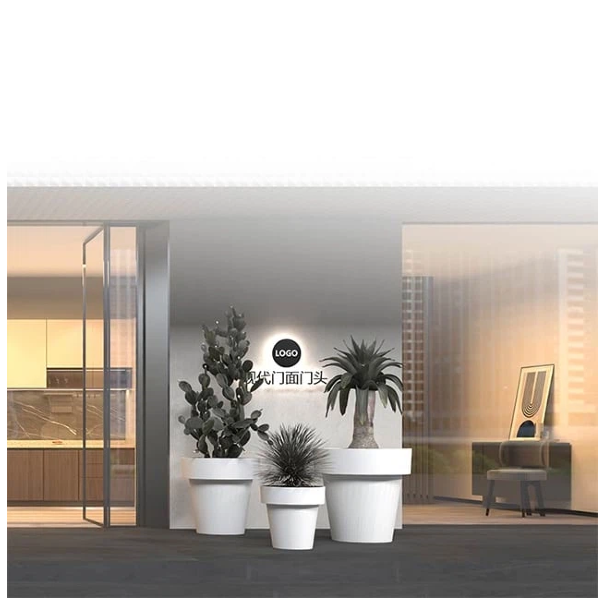
Once the discussion becomes more realistic, the planter itself becomes much more important. If a business wants to use greenery to support a fresher-feeling environment, the planter has to make that greenery practical. A poor planter system can create mess, water risk, awkward maintenance, and visual inconsistency. A better planter system makes plants easier to use across the interior, so the space is more likely to benefit from them over time.
This is where product value becomes clear. Indoor planting only works well when the planters support daily use. That means better water control, easier maintenance, reliable durability, and manageable weight. In commercial settings, these details decide whether greenery remains an asset or slowly turns into extra work.
Rovis focuses on this practical side of indoor planting. When planters are lighter, more durable, waterproof, and easier to maintain, it becomes much easier for commercial spaces to keep greenery in place and looking good.
A fresher-feeling interior does not come from greenery alone. It also comes from the absence of messy details. Water stains, damp flooring, visible overflow trays, and awkward maintenance equipment all work against the clean atmosphere that indoor planting is supposed to support.
That is why waterproof construction and controlled drainage matter so much in indoor commercial spaces. A planter with reliable water control helps protect floors, rugs, furniture, counters, and surrounding finishes. Hidden trays keep excess water out of sight and support a cleaner overall look. Sealed bodies reduce the chance of seepage and help staff feel more confident about placing planters in visible locations.
In practical terms, this means indoor plants are easier to integrate where they can have the most effect. Entrances, lounges, reception areas, and corridors all benefit more from greenery when water management feels secure and maintenance remains simple.
The better the planter system, the easier it becomes to use more greenery across a site. If planters are too heavy, too fragile, or too inconvenient to manage, businesses are less likely to place them in multiple zones. If they are lightweight, durable, and designed for commercial use, larger planting programs become far more realistic.
This matters because a single plant in one corner has limited influence on how a large interior feels. A well-planned group of planters across entrances, waiting areas, lounge corners, and circulation routes creates a much stronger result. It makes the environment feel greener as a whole rather than as a decorative afterthought.
That is why planter quality still matters in a conversation about cleaner air. Even if the planter is not performing filtration itself, it determines how successfully plants can be used throughout the space.
Goal | What Plants May Help With | What Planters Help With | What Still Requires Building Systems |
Better first impression | Softer, greener atmosphere | Clean presentation and stable placement | Ventilation performance |
More comfortable waiting area | Calmer visual environment | Safer water control and easier upkeep | Air circulation and temperature control |
Cleaner-looking interior | Natural softness and freshness | Hidden trays, waterproof bodies, less mess | Filtration and mechanical air management |
Larger greenery program | Wider plant presence across the site | Lightweight durability and easier handling | Whole-building environmental control |
Some areas benefit more from indoor planting than others. Entrances are an obvious starting point because they shape first impressions quickly. A well-placed planter or pair of planters near the entry can make the space feel more polished and welcoming at once.
Waiting areas are another strong choice. People spend time there, which means atmosphere matters more. Plants can soften the space and reduce the visual coldness that often comes from hard flooring, straight furniture lines, and open circulation zones. Lounge corners also respond well to greenery because planters can make the area feel more complete and less exposed.
Meeting rooms can benefit too, especially when they feel too rigid or overly formal. Long circulation routes such as office hallways or hotel passage areas are also useful locations. Repeated planter placement along these routes can make movement through the building feel less sterile and more considered.
The best locations are the ones where people notice atmosphere quickly and where greenery can improve visual comfort without getting in the way of daily use.
Trust is easier to build when a product is described honestly. Businesses do not need exaggerated promises about plants solving every indoor air problem. What they need is a realistic explanation of how indoor planting supports atmosphere, comfort, and easier plant integration when the right planter system is in place.
This approach is also better for long-term content. A blog post that promises impossible results may attract attention at first, but it does not help serious buyers make better decisions. A blog post that explains what indoor planters really do is more useful. It shows where the value is, reflects real commercial needs, and creates confidence instead of doubt.
That is especially important for commercial projects, where the audience often includes designers, facility teams, project managers, and buyers comparing practical performance.
Indoor planters do not clean the air on their own in the way many people imagine, and they should never be presented as a substitute for ventilation or filtration. What they do offer is highly valuable for commercial interiors: a greener atmosphere, a calmer visual experience, cleaner plant integration, and a more welcoming sense of space when paired with the right planting strategy and proper building systems. That balanced view is what makes this topic useful and trustworthy. Rovis helps commercial projects turn that idea into a practical result with products designed for cleaner water control, easier maintenance, and dependable daily use. If you want to create a fresher-feeling environment with the right commercial indoor planters, contact us to discuss your project.
Not in the same way ventilation or filtration systems do. Indoor planters can help a space feel fresher and more welcoming, but they should be treated as a complement to proper building systems, not a replacement.
Greenery changes how a room feels. Plants soften hard interiors, improve first impressions, and make offices, lounges, and retail spaces seem calmer and more cared for.
A good planter helps keep the space tidy and easy to maintain. Waterproof construction, controlled drainage, and hidden trays reduce mess and support a more polished appearance.
Entrances, waiting areas, lounge corners, meeting rooms, and long circulation routes are all strong options because these are the places where atmosphere and visual comfort are noticed most quickly.


