
English 
T: +86-139-2641-8287
No.51, Chuangye Road, Taiping Town, Conghua District, Guangzhou City, Guangdong Province, China


Views: 0 Author: Site Editor Publish Time: 2026-03-17 Origin: Site


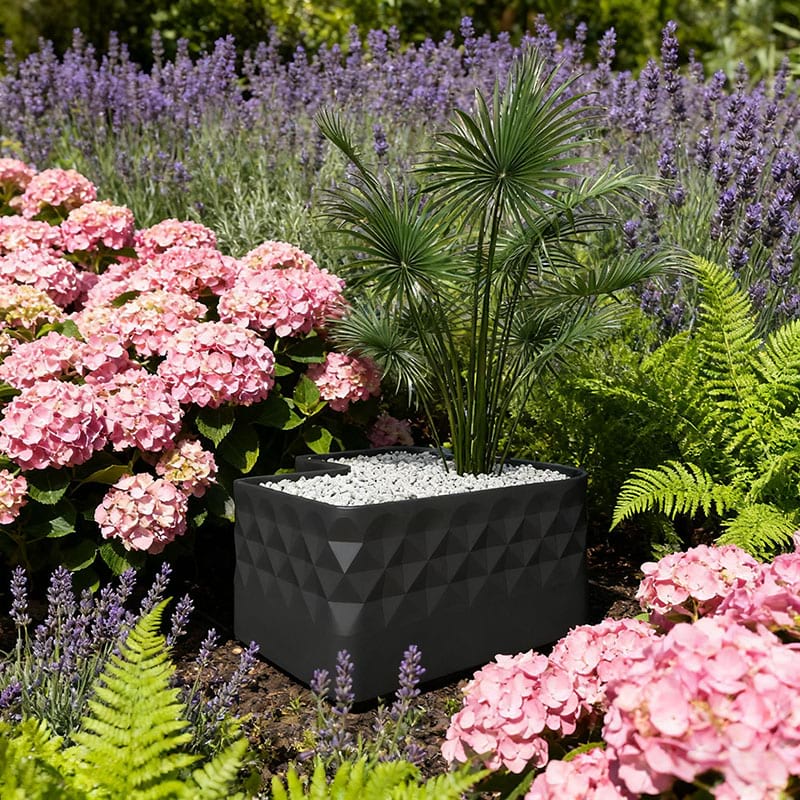
When it comes to planter boxes, many gardeners and urban farmers focus primarily on the plants themselves, but the foundation of your planting box is just as critical. Understanding what to put at the bottom of a planter box can dramatically impact plant health, root growth, water management, and overall yield. In this comprehensive guide, we’ll explore the reasons for lining the bottom of planter boxes, the best materials to use, and how to fill them for optimal performance. Whether you’re doing protected agricultural planting, urban farm planting, or simply creating a water-saving type garden, these techniques will help you achieve success.
Lining a planter box is not merely decorative. The lining serves several key functions that ensure the long-term health of plants and the durability of the planting box itself. The primary purposes include:
Weed and grass prevention – Stops unwanted plants from competing with your crops.
Rodent deterrence – Protects roots from burrowing pests.
Soil contamination prevention – Keeps harmful substances out of your growing medium.
Root system protection – Supports strong, healthy root growth by creating a stable environment.
Water drainage control – Ensures a breathable and drainable growing area, which reduces overwatering.
By understanding each purpose, you can make an informed decision about the best lining for your integrated planting project.
One of the most common challenges in urban farm planting or home protected agricultural planting is the invasion of weeds and grass. Weeds compete for nutrients, water, and sunlight, often overpowering the intended plants in your planter box. Lining the bottom of your raised bed can provide an effective barrier to these intruders. Common approaches include cardboard and landscape fabric, both of which have proven results in both residential and commercial gardening.
Rodents and other small animals are notorious for invading planting boxes, feeding on roots, and destabilizing soil. A protective layer at the bottom of your planter box can prevent these pests from compromising your garden. Using materials like wire mesh or hardware cloth is especially important for root system protection, ensuring plants develop strong roots without interruption.
For urban farm planting or areas with industrial exposure, soil contamination is a genuine concern. Pollutants such as heavy metals or chemical residues can infiltrate your planting box, affecting plant safety and yield. Installing a barrier of food-grade plastic at the bottom can isolate your soil from contaminants. This approach is also compatible with integrated planting systems where controlled conditions are essential.
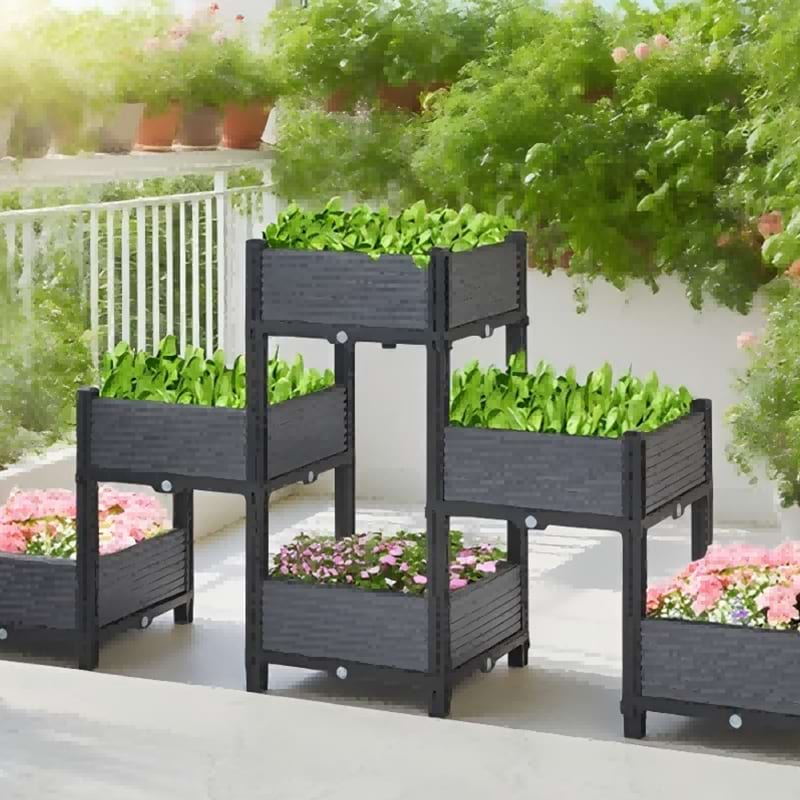
Different materials offer varying levels of weed prevention, drainage, and biodegradability. Choosing the right lining material depends on the type of crops, expected lifespan of the planter box, and maintenance preference.
Cardboard is a readily available and eco-friendly option. It suppresses weeds while slowly breaking down over time, enriching the soil with organic matter. The benefits of cardboard include:
Biodegradable and safe for protected agricultural planting.
Provides a temporary barrier while still allowing water to pass through.
Enhances soil texture as it decomposes, supporting root system protection.
Cardboard installation tips:
Lay several layers at the bottom of the planter box.
Overlap edges to prevent gaps where weeds can emerge.
Water thoroughly to help it conform to the bottom and accelerate decomposition.
For a more permanent solution, landscape fabric provides a durable, semi-permeable barrier. Advantages include:
Long-lasting weed suppression.
Breathable and drainable, preventing waterlogging.
Compatible with urban farm planting setups where frequent watering occurs.
Comparison Table: Cardboard vs. Landscape Fabric
| Feature | Cardboard | Landscape Fabric |
|---|---|---|
| Biodegradability | High | Low |
| Weed Prevention | Moderate | High |
| Water Permeability | High | Moderate |
| Root System Protection | Moderate | High |
| Ease of Installation | Easy | Moderate |
If rodents are a persistent issue, additional protection beyond weed barriers is necessary. Wire mesh or hardware cloth provides a mechanical barrier to prevent animals from burrowing into the soil.
Wire mesh is available in different gauges and mesh sizes. For most garden pests, a mesh size of ½ inch or smaller is recommended. Key benefits include:
Root system protection by blocking rodents.
Enhances water-saving type beds by keeping soil structure intact.
Durable for long-term urban farm planting applications.
Installation tips:
Cut the mesh to cover the entire bottom area of the planter box.
Secure edges with staples or nails to prevent gaps.
Optional: Place a layer of cardboard or landscape fabric over the mesh for weed control without sacrificing rodent protection.
When using recycled soil or planting in areas prone to contamination, protecting your crops is paramount. Using food-grade plastic liners isolates the soil within the planter box, preventing harmful substances from affecting plants.
Advantages of food-grade plastic include:
Non-toxic and safe for vegetables and herbs.
Prevents leaching of contaminants from the ground.
Creates a barrier compatible with integrated planting and urban farm planting strategies.
Installation tips:
Cut plastic to fit the interior dimensions of the planter box.
Leave slight holes for drainage or layer over wire mesh for dual protection.
Avoid overlapping edges that could trap water and cause root rot.
After choosing the appropriate lining, the next step is filling your planter box to create an optimal growing environment. A layered approach is often most effective for water-saving type and breathable and drainable beds:
Drainage Layer: Use coarse materials like gravel, broken clay pots, or protected agricultural planting substrates to facilitate water flow.
Organic Matter Layer: Compost, decomposed leaves, or other organic matter enhances nutrient retention.
Topsoil Layer: High-quality, well-draining soil suitable for urban farm planting completes the bed.
Layering Example Table:
| Layer Type | Material Example | Function |
|---|---|---|
| Bottom Layer | Gravel or broken pots | Drainage and rodent deterrence |
| Middle Layer | Compost or leaves | Nutrient retention and root system protection |
| Top Layer | Topsoil with sand mix | Planting medium for integrated planting |
Yes, organic matter in a planter box will naturally settle over time. This is normal and can create a denser soil structure that promotes root system protection. To manage settling:
Add extra soil at the start to account for compression.
Top off beds annually with compost or organic matter.
Monitor drainage to ensure the breathable and drainable layers remain effective.
Settling is especially noticeable in water-saving type beds where compost-rich layers compress faster, impacting water retention and root development. Proper initial layering mitigates long-term maintenance issues.
Q1: Can I mix cardboard and landscape fabric for the bottom of my planter box?
Yes, layering cardboard under landscape fabric offers a dual approach—biodegradable weed suppression with long-term durability.
Q2: How deep should the rodent barrier be?
For wire mesh or hardware cloth, bury the edges 2–3 inches below the bottom of the planter box to prevent burrowing from underneath.
Q3: Is food-grade plastic safe for all plants?
Yes, it’s safe for vegetables, herbs, and fruits. Ensure proper drainage holes are made to avoid waterlogging.
Q4: How does lining affect water-saving capabilities?
A properly lined planter box helps retain water in the root zone while allowing excess water to drain, optimizing water-saving type efficiency.
Q5: Can I use a planter box for integrated planting?
Absolutely. Lined and layered planter boxes are ideal for integrated planting, ensuring healthy roots, minimal weeds, and optimal water and nutrient management.
Q6: How does urban farm planting benefit from lined planter boxes?
In urban farm planting, soil contamination and pests are common challenges. Lining planter boxes with appropriate barriers ensures safe, high-yield crops and promotes protected agricultural planting practices.
Q7: How do I protect the root system while using raised beds?
Using wire mesh, cardboard, or landscape fabric combined with nutrient-rich soil layers ensures root system protection, allowing plants to grow robustly without interference from weeds, rodents, or contaminants.
Q8: Can lining improve drainage in a breathable and drainable planter box?
Yes. Proper lining with a coarse bottom layer and landscape fabric creates an efficient drainage system, keeping roots healthy and preventing water stagnation.
In conclusion, what you put at the bottom of a planter box is just as crucial as what goes on top. From weed prevention and rodent deterrence to soil contamination protection and root system protection, the right materials and layering strategies make all the difference. By integrating cardboard, landscape fabric, wire mesh, or food-grade plastic, you create a water-saving type, breathable and drainable, and highly productive planting box. These practices align perfectly with modern urban farm planting, protected agricultural planting, and integrated planting strategies, ensuring lush growth and bountiful harvests for years to come.


