
English 
T: +86-139-2641-8287
No.51, Chuangye Road, Taiping Town, Conghua District, Guangzhou City, Guangdong Province, China


Views: 0 Author: Site Editor Publish Time: 2026-07-29 Origin: Site


Decorating an outdoor living space brings instant natural charm to your home. Achieving a beautiful outdoor oasis requires strategic planning. You cannot simply place a few pots outside and expect them to thrive. It requires balancing organic aesthetics against harsh environmental realities. Sun exposure, high winds, and rapid temperature fluctuations can quickly destroy delicate foliage. Transitioning from mere design inspiration to functional execution relies heavily on your underlying infrastructure. Specifically, evaluating and sourcing durable, appropriately sized containers protects vulnerable root systems. It also ensures long-term survival against the elements. We provide a clear, criteria-based framework for selecting optimal materials and mapping spatial layouts. You will learn how to mitigate common container gardening failures before they happen. You will discover practical ways to protect structural surfaces. You will also learn how to match plant species to correct container materials. Read on to master the art of styling outdoor spaces perfectly.
Assessing your patio’s structural weight limits and microclimate is the non-negotiable first step before purchasing materials.
Patio planters must be evaluated on durability, drainage capability, and thermal retention, not just visual appeal.
Strategic placement (e.g., vertical stacking, perimeter zoning) maximizes small footprints without overcrowding functional areas.
Long-term success requires matching root depth requirements to container volume and accounting for seasonal weathering risks.
Every successful garden project begins by analyzing the physical environment. You must document your specific microclimate carefully. Watch how sunlight moves across your deck throughout the day. Full sun areas receive over six hours of direct light daily. These bright zones demand completely different species than deep shade corners. Track local wind corridors around your home. High winds dry out soil rapidly. Strong gusts also threaten tall foliage. Notice structural overhangs or awnings overhead. Roof extensions provide excellent protection from heavy rain. However, they also block natural precipitation entirely. These environmental elements dictate both plant and container viability.
Next, evaluate your spatial footprint. Measure the usable square footage accurately. Calculate the required clearance for existing outdoor furniture. You want a smooth, comfortable traffic flow. Leave at least 36 inches for main walkways. Do not overcrowd dining or seating zones. A cramped deck feels chaotic rather than relaxing. Sketching a simple floor plan helps visualize the final layout.
Mark heavy traffic paths using painter's tape on the floor.
Leave ample room around chairs for guests to push back comfortably.
Reserve the sunniest spots for your most light-hungry species.
Group containers away from active grill zones to prevent heat damage.
Finally, you must determine structural load limits. Wet soil becomes incredibly heavy. Combine soaked earth and massive concrete containers. This dense mixture easily exceeds safe load limits on raised wooden decks. A single 24-inch concrete pot filled to the brim can weigh over 200 pounds. You should prioritize lightweight composite materials for elevated spaces. Always check your deck's engineering specifications first. Ground-level concrete patios naturally support much higher weight capacities.
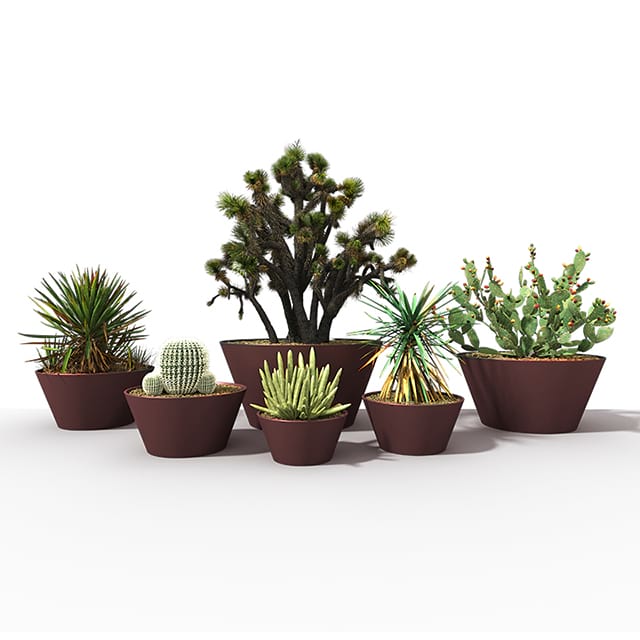
Selecting the right material is a critical early decision. You must evaluate durability, thermal dynamics, and overall weight. Aesthetics alone will not keep your plants alive. We often see beautiful pots fail after a single winter season. Investing in high-quality Patio Planters prevents these frustrating losses. Different materials offer drastically different performance metrics outdoors.
Let us review the most common material categories available today.
Material Category | Durability & Thermal Dynamics | Best Use Case |
|---|---|---|
Fiberglass & Resin | High durability, extremely lightweight, frost-resistant, low moisture loss. | Modern aesthetics, raised wooden decks, cold climates. |
Terracotta & Ceramic | Porous surface, high moisture evaporation, susceptible to freeze-thaw cracking. | Drought-tolerant succulents, covered warm-weather porches. |
Wood | Requires internal liners, prone to rotting without proper treatment, moderate insulation. | Rustic designs, vegetable gardening, DIY trough projects. |
Metal | Conducts high heat, high risk of root burn, prone to rusting if unsealed. | Industrial styling, deeply shaded areas, highly durable borders. |
Volume and sizing logic dictate plant survival rates. The classic "thriller, filler, spiller" design rule requires ample space. You need containers measuring at least 12 to 18 inches in diameter. Narrow pots cause severe root binding quickly. Restricted roots cannot absorb adequate moisture during summer heatwaves. Always size up your containers. Choose pots two to four inches wider than the original nursery container. This extra room allows vigorous root expansion.
Consider mobility requirements early in your planning phase. Large statement pieces become nearly impossible to move once filled. You should factor in caster wheels for heavy, permanent arrangements. Hidden rolling bases allow easy repositioning during extreme weather. Self-watering reservoirs also reduce maintenance for massive, stationary designs. These reservoirs provide consistent moisture directly to the root zone.
Layout frameworks solve the spatial problems of tiny balconies and sprawling decks alike. Strategic placement maximizes your footprint beautifully. You can achieve lush greenery without sacrificing human comfort.
Here are three proven layout strategies you can implement:
Perimeter defining: You can create stunning living walls outdoors. Use long rectangular trough planters to establish clear boundaries. Place them along the edge of your deck. They provide excellent privacy screens from nosy neighbors. You avoid building expensive permanent structures this way. Tall bamboo or dense arborvitae works perfectly here.
Vertical scaling: Small spaces benefit heavily from vertical designs. Utilize tiered plant stands to draw the eye upward. Hanging baskets and railing-mounted options preserve precious floor space. You gain lush greenery while keeping walkways totally clear. This strategy maximizes limited square footage on urban balconies.
Anchor points: Scattered clutter ruins outdoor aesthetics completely. Group your containers in clusters of three. Vary the heights and widths within each cluster. Place these groups near seating areas or structural corners. This technique creates cohesive, intentional design zones. It transforms random pots into a unified garden feature.
Many beginners place pots in a single straight line against the house. This linear approach feels rigid and unnatural. Instead, stagger your containers. Pull some pots forward to create depth. Another common error involves blocking sightlines. Keep table centerpieces low. Save your towering statement plants for the corners of your deck.
Matching species to container specifications ensures long-term vitality. You must pair plant needs alongside material characteristics. Ignoring this balance leads to chronic plant stress. For example, drought-tolerant succulents thrive inside breathable terracotta. The porous clay pulls excess moisture away quickly. This prevents fungal diseases. Conversely, moisture-loving ferns prefer fiberglass or glazed ceramic containers. Resin materials retain soil dampness effectively. They reduce your daily watering chores.
You also need to balance growth habits against container stability. Avoid placing top-heavy plants inside narrow-based pots. Tall ornamental grasses act like sails during strong gusts. Small trees easily tip over and shatter delicate pots. You should use wide, heavy bases for vertical thrillers. Placing river rocks at the bottom adds crucial stabilizing weight.
Consider your climate regarding perennials versus annuals. Annuals require seasonal replacement every single year. They offer brilliant temporary color. Permanent evergreen shrubs demand a higher initial investment. However, they provide year-round structure. If you choose permanent shrubs, select highly frost-rated containers. You cannot risk winter cracks exposing established perennial roots. Match your plant's hardiness zone to your local climate carefully. Plants living above ground lose the insulating protection of deep earth.
Even the best designs fail without proper risk mitigation. We see many gardeners overlook basic functional requirements. Addressing these hidden risks protects your property investment.
The drainage imperative remains absolutely non-negotiable. Containers lacking pre-drilled holes essentially become bathtubs. Standing water deprives roots of vital oxygen rapidly. This inevitably leads to severe root rot and total project failure. Always verify drainage holes exist before adding soil. Furthermore, use pot feet to elevate containers slightly off the ground. Elevation ensures water flows away freely. It prevents drainage holes from becoming clogged by flat surfaces.
Surface protection is equally crucial. Water damage ruins wooden decking over time. Muddy runoff causes ugly soil staining on light concrete pavers. You mitigate these risks using properly sized saucers under every pot. Surface-protecting pads also prevent direct friction against your flooring. Heavy pots scraping across composite decking leave permanent gouges. Simply lifting the pot prevents all these aesthetic nightmares.
Finally, you must face winterization realities. Identify which containers need indoor storage before freezing temperatures arrive. Terracotta and thin ceramics shatter when trapped moisture freezes. The ice expands forcefully, cracking the vessel entirely. You can leave high-density fiberglass options outdoors year-round. Check the manufacturer's frost rating before leaving anything outside. Emptying vulnerable pots in late autumn saves you money next spring.
Successful outdoor decoration requires a holistic, planned approach. You must treat plants and containers as integrated structural elements. They are never mere afterthoughts. Start by finalizing your layout measurements carefully. Confirm your deck's structural load limits before buying heavy materials. This protects your safety and your home's integrity.
Your shortlisting logic should prioritize function alongside beauty. We advise you to filter options by material durability and drainage features first. Discard containers lacking proper weather resistance. Then, select styles matching your aesthetic preferences perfectly.
As a next step, grab a tape measure. Head outside and map your usable space accurately. Audit your daily sunlight hours in each corner. Use these environmental insights to begin your shopping journey confidently. You are now ready to build a thriving, stunning outdoor sanctuary.
A: Yes, drainage holes are absolutely critical. Without them, water pools at the bottom of the container. This displaces essential oxygen and causes severe root rot. Standing water also compromises the structural integrity of the pot during freezing weather. Always ensure clear drainage paths exist.
A: High-density resin and marine-grade fiberglass are the best options. These materials flex slightly and resist freeze-thaw damage. Avoid porous materials like terracotta or unglazed ceramic. They absorb moisture, freeze, and shatter easily during harsh winter months.
A: You must lower the center of gravity. Add a thick layer of heavy gravel, river rocks, or broken bricks to the bottom before adding soil. Choose pots featuring wide bases rather than narrow, tapered bottoms. You can also anchor them to nearby railings.
A: Generally, no. Indoor pots often lack UV-resistant coatings and proper weatherproofing. Direct sunlight degrades their finish quickly, causing fading or brittleness. They also frequently lack sufficient drainage holes for heavy rainfall. Always choose containers specifically rated for exterior use.


