
English 
T: +86-139-2641-8287
No.51, Chuangye Road, Taiping Town, Conghua District, Guangzhou City, Guangdong Province, China


Views: 0 Author: Site Editor Publish Time: 2026-01-30 Origin: Site


When it comes to landscaping, whether in public parks, residential gardens, or commercial spaces, the right flower pot can make a significant difference. Polyurethane composite flower pots stand out as one of the best choices for such applications due to their blend of strength, durability, and aesthetic appeal. Manufactured by Rovis, these pots are designed to withstand the elements while offering a modern look that enhances any outdoor or indoor environment. In this guide, we will walk you through the best practices for using polyurethane composite flower pots effectively, ensuring that you make the most of their unique features in your landscaping projects.
Whether you're using these planters for large commercial spaces or small personal gardens, the following tips will help you optimize their use, maintain their longevity, and integrate them seamlessly into your design. With the right care and placement, polyurethane composite flower pots can transform your space into a thriving, beautiful garden that lasts for years.
The effectiveness of your polyurethane composite flower pots depends largely on choosing the right size and placing them in the ideal spots. Properly sized planters will support healthy plant growth while enhancing the beauty of your landscaping. Let's dive into the key factors to consider when selecting the size and placement of your planters.
Choosing the right size polyurethane composite flower pot is essential for the health of your plants. The pot should be large enough to accommodate the plant’s root system, allowing it to grow without restrictions. Small plants with shallow root systems can thrive in smaller pots, while larger plants, trees, or shrubs will need bigger planters to support their deeper root structures. Choosing an appropriately sized pot is crucial for providing the plant with adequate space to spread out and grow.
When placing your polyurethane composite flower pots in outdoor spaces, it's important to consider environmental factors. For example, planters placed in high-traffic areas or areas with strong winds will need to be securely anchored. You should also take note of the sun’s path throughout the day to determine where your plants will get the most sunlight. Polyurethane composite flower pots are weather-resistant, but it's still important to place them where the plants will receive adequate light for healthy growth. Balconies, rooftops, and garden corners can all benefit from carefully placed planters that provide both beauty and functionality.
Once you've selected the right size and placement for your polyurethane composite flower pots, it’s time to prepare them for planting. Proper preparation ensures the longevity of both the pot and the plants inside.
Proper drainage is crucial for preventing waterlogged roots and promoting healthy plant growth. Rovis polyurethane composite flower pots are designed with drainage solutions in mind—many models come with pre-formed drainage outlets or reserved drainage positions. Before planting, simply confirm the drainage configuration and open/use the designated drainage points as needed (for example, based on whether the pot will be used indoors with a saucer or outdoors exposed to rain). This way, excess water can flow out smoothly, helping reduce the risk of root rot and other moisture-related issues. Waterlogged soil can lead to root rot and other issues, so adequate drainage is essential for the health of your plants.
Choosing the right soil is just as important as selecting the right polyurethane composite flower pot. Different plants require different types of soil, so it's essential to research the best soil mixture for the plants you plan to grow. For example, succulents and cacti need well-draining soil, while flowers may need a richer, loam-based soil. Be sure to choose soil that matches the needs of your plants to promote healthy root development and vibrant growth.
Once your polyurethane composite flower pots are prepared for planting, the next step is installation. The placement of your planters can make or break the overall look of your landscape. Here’s how to install your pots for maximum impact.
Both ground-level and raised placements can be effective for polyurethane composite flower pots, depending on the landscape. Ground-level planters work well in gardens and open spaces, creating a cohesive look with the surrounding environment. Raised planters, on the other hand, are ideal for creating visual interest, especially in small spaces such as balconies or patios. They also make gardening easier for people with mobility issues by reducing the need to bend over.
Raised planters are also less susceptible to ground-related problems such as pests or root rot caused by sitting directly in soil. However, if you're working with a larger space, ground-level pots may be more appropriate.
Polyurethane composite flower pots are designed to be lightweight, which makes them easier to transport and arrange. However, in areas with high winds or heavy foot traffic, it’s crucial to secure the pots to prevent them from tipping over. For larger planters, consider using heavy-duty anchors or securing them to the ground with stable brackets. This ensures they remain in place even during storms or strong winds.
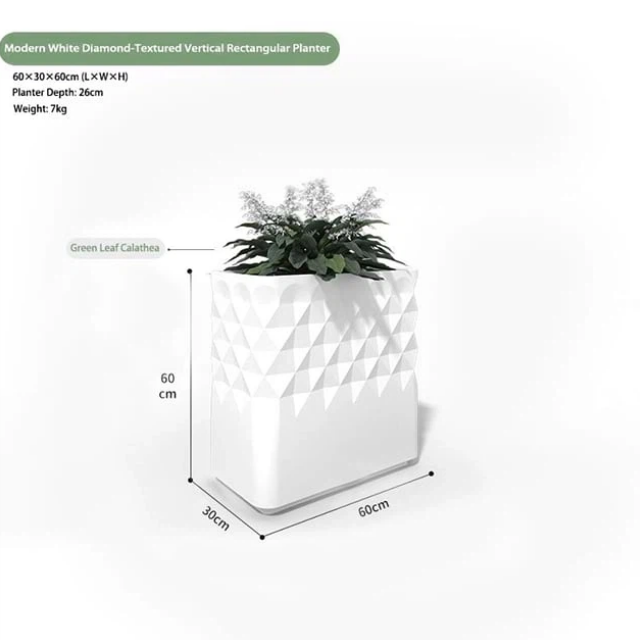
To ensure your polyurethane composite flower pots continue to look great and function well, regular maintenance is necessary. Fortunately, these planters are designed to require minimal upkeep compared to traditional materials like clay or ceramic. Below are a few simple maintenance tips to keep your planters in top shape.
Cleaning your polyurethane composite flower pots regularly will help them maintain their appearance. Use a soft cloth or sponge to wipe away dirt and debris. If the pots are particularly dirty, a mild soap solution can be used. Avoid harsh chemicals or abrasive materials, as these can damage the surface. For pots with a textured finish, using a soft brush can help dislodge dirt from crevices.
In colder climates, it’s important to prepare your polyurethane composite flower pots for the winter. Although these planters are weather-resistant, prolonged exposure to freezing temperatures can cause damage. If your pots are empty during the winter months, it’s a good idea to move them to a sheltered location or store them indoors. This will help prolong their life and prevent potential cracking caused by freezing conditions.
In warmer climates, make sure your pots are cleaned regularly to prevent the buildup of dirt or algae. Additionally, ensure your plants are receiving enough water, especially during the hotter months when soil can dry out quickly.
In addition to their functional benefits, polyurethane composite flower pots are also stylish and can be seamlessly integrated into various landscaping designs. Here are some design tips to help you match your planters with your outdoor decor.
The color of your polyurethane composite flower pots can significantly impact the overall design of your outdoor space. For modern, minimalist designs, consider using neutral-colored pots such as gray, white, or black. These colors blend well with contemporary architecture and allow the plants to take center stage. For more traditional gardens, earthy tones like terracotta or stone gray can complement the natural surroundings.
Polyurethane composite flower pots come in a variety of shapes and sizes, making them suitable for both modern and traditional landscaping styles. For modern spaces, sleek, geometric pots with clean lines work well, while more ornate, classical designs can enhance traditional gardens or spaces with historical elements. These pots are versatile enough to adapt to any style, making them a favorite choice for landscape designers.
To make it easier for you to select the best size and type of polyurethane composite flower pot for your plants, here’s a handy plant and pot pairing guide:
Plant Type | Pot Size | Key Notes |
Flowers & Annuals | Medium | Good drainage priority |
Small Shrubs | Large | Support root spread |
Indoor Foliage | Small/Medium | Easy to rearrange |
Ornamental Grasses | Tall | Stable base required |
This guide helps ensure you choose the right pot size for the type of plants you want to grow, ensuring their health and longevity.
In conclusion, polyurethane composite flower pots are an excellent choice for landscaping projects due to their weather-resistant, durable, and lightweight properties. By choosing the right size, placing them strategically, and maintaining them properly, you can ensure that these pots contribute to the long-term success of your outdoor space. Whether for residential gardens, commercial properties, or municipal projects, polyurethane composite flower pots provide an effective solution for bringing nature to life in any environment.
If you’re looking for high-quality, durable planters for your next project, contact us today to learn more about how high-quality polyurethane composite flower pots from Rovis can elevate your landscaping design.
1. How do I choose the right size polyurethane composite flower pot for my plants?
Selecting the right size depends on the plant's root system. Ensure that the pot is large enough to accommodate the plant’s roots without being excessively big. For drainage, use the pot’s built-in drainage design or designated drainage points—no DIY drilling is required.
2. Can polyurethane composite flower pots be used for indoor plants?
Yes, polyurethane composite flower pots are perfect for both indoor and outdoor use, offering a modern look and excellent durability for indoor gardens.
3. How often should I clean my polyurethane composite flower pots?
Regular cleaning every few weeks will help maintain the appearance of your planters. For outdoor pots, clean them at least once a season.
4. Are polyurethane composite flower pots suitable for all climates?
Yes, these pots are designed to withstand a wide range of weather conditions, making them ideal for both hot and cold climates.


