
English 
T: +86-139-2641-8287
No.51, Chuangye Road, Taiping Town, Conghua District, Guangzhou City, Guangdong Province, China


Views: 0 Author: Site Editor Publish Time: 2026-01-13 Origin: Site


When it comes to enhancing outdoor spaces, polyurethane composite flower pots have become a staple in landscaping due to their robust performance, versatility, and aesthetic appeal. These planters combine the durability of composite materials with a lightweight design, making them perfect for a wide range of applications, from commercial complexes to residential gardens. However, to ensure that these pots perform at their best, it's important to understand the proper ways to use them. In this article, we will highlight common mistakes to avoid, provide essential tips for maintenance, and discuss best practices for maximizing the lifespan and benefits of your polyurethane composite flower pots.
Whether you're a professional landscaper or a homeowner, understanding how to care for and use these planters effectively will allow you to make the most of their advantages, contributing to a beautiful and sustainable garden environment.
Proper installation is key to ensuring that polyurethane composite flower pots perform well and provide long-lasting benefits. However, several common mistakes can hinder the planters' functionality and impact plant health.
One of the most critical installation mistakes is neglecting proper drainage. Polyurethane composite flower pots are designed to be weather-resistant and durable, and their drainage system is typically built into the product design—no extra installation is needed. Before planting, simply check the pot’s drainage configuration (such as pre-formed outlets or reserved drainage positions) and use the designated drainage points appropriately based on the setting. For outdoor use, ensure the drainage points are open to release excess rainwater. For indoor use, pair the pot with a saucer or liner where appropriate to manage runoff.
Proper drainage is essential for healthy root systems, as it allows air to circulate and prevents soil from becoming too saturated. Without it, even the most durable polyurethane composite flower pots can become a breeding ground for diseases and fungal infections that can harm plants.
Another mistake to avoid when installing polyurethane composite flower pots is failing to level the pots or provide adequate support. Unstable or uneven pots can lead to tipping, especially in high-traffic areas or when placed in windy environments. This can damage both the pot and the plants inside. For larger planters, make sure they are securely placed and level to ensure they stay stable, even during harsh weather conditions.
If you're installing the pots in areas prone to wind or other external factors, consider using anchors or placing them in protected areas to prevent accidental tipping. Stability is key to keeping your plants safe and ensuring the longevity of the pots.
Polyurethane composite flower pots are built to withstand a range of weather conditions, but they still require special attention depending on the climate and exposure to environmental elements.
While polyurethane composite flower pots are highly resistant to UV radiation, prolonged exposure to extreme sunlight can cause fading over time. To minimize the impact of sun exposure, consider placing your planters in shaded areas or using UV-resistant coatings if necessary. This will help maintain the vibrant appearance of the pots and protect the plants from excessive heat, which can dry out the soil and damage delicate roots.
If your plants are sensitive to too much sunlight, consider adding some form of shading or placing the pots in areas that receive indirect light, such as patios or under trees. By protecting the plants from too much sun, you ensure that the polyurethane composite flower pots continue to serve their purpose effectively.
In colder climates, winter care is essential for polyurethane composite flower pots. While these pots are designed to handle freezing temperatures better than many other materials, it's still a good practice to protect them from prolonged exposure to extreme cold, especially when the pots are empty. Freezing temperatures can cause the soil in the pot to freeze, expanding and potentially cracking the pot over time.
To protect your pots during the winter months, consider storing them indoors or moving them to a sheltered location. If this isn’t possible, adding a layer of mulch around the base of the plants can help insulate the soil, preventing freezing. Additionally, moving polyurethane composite flower pots off the ground can prevent them from sitting in moisture that could freeze and crack the base.
The right combination of soil and plants is essential for ensuring the longevity of both the plants and the polyurethane composite flower pots.
Using the right soil for your plants is just as important as selecting the right polyurethane composite flower pot. The soil you choose must match the needs of the plant you are growing. For example, succulents need well-draining soil to prevent root rot, while flowering plants typically prefer a richer, loamy soil that retains moisture without becoming waterlogged.
Make sure that the soil you select is well-suited to the plant's requirements. This is particularly important for larger pots that will support multiple plants or more mature species. High-quality soil provides the nutrients and stability your plants need to thrive.
Overwatering is a common mistake when using polyurethane composite flower pots. Although these planters come with integrated drainage design, it's still essential to monitor the watering needs of your plants closely.Although these planters provide excellent drainage, it's still essential to monitor the watering needs of your plants closely. Overwatering can lead to root rot and other issues that damage plant health. Be mindful of the moisture levels in the soil and adjust watering based on the type of plants in each pot.
A good rule of thumb is to check the soil regularly for moisture before adding water. If the soil is still moist to the touch, it’s best to wait before watering again. Proper watering practices will help ensure the health of your plants and the longevity of your planters.
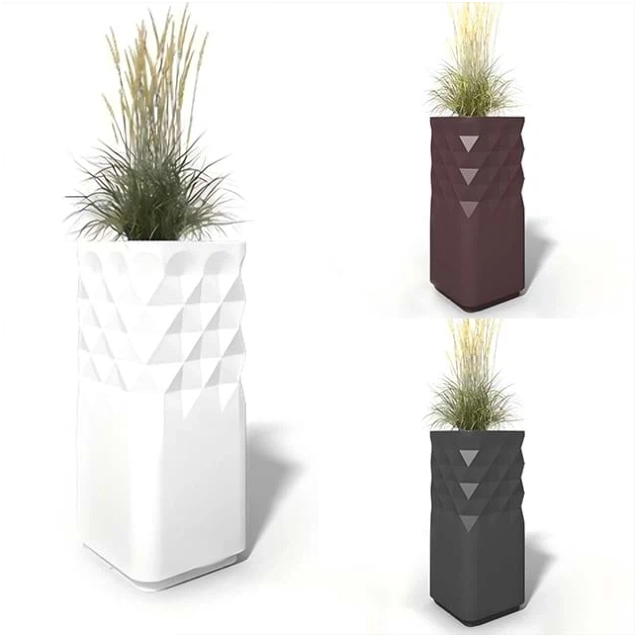
Proper storage and seasonal care are crucial for maintaining your polyurethane composite flower pots throughout the year. These practices ensure that your planters stay in good condition and continue to function effectively, no matter the season.
If you live in a climate where temperatures drop significantly during the winter, it’s important to protect your polyurethane composite flower pots. As mentioned earlier, freezing temperatures can cause damage to both the pots and the plants inside. If you're not able to move the planters indoors, you can protect them by storing them in a garage or shed during the coldest months. This will prevent any damage caused by freezing temperatures or snow accumulation.
Even if the pots remain outside, you should still take precautions by ensuring they are elevated from the ground, covered, or filled with protective material to insulate them from the cold.
One of the main considerations when it comes to polyurethane composite flower pots during the off-season is whether to leave them outside or move them to a safer location. If you're dealing with heavy snow or ice, it's generally better to move the pots indoors, even temporarily. However, if your climate is mild, it may be okay to leave the pots in place. If you decide to leave them outdoors, take steps to shield them from extreme conditions to ensure their longevity.
As sustainability becomes an ever-more important aspect of landscaping, it's essential to understand how to properly dispose of and recycle polyurethane composite flower pots.
While polyurethane composite flower pots are durable and weather-resistant, not all components of the pots may be recyclable. It’s important to check with local recycling facilities to determine the best practices for disposing of these planters once they reach the end of their life. Some components of the composite material can be recycled, but it’s crucial to confirm with your local waste management services whether they can accept them.
When your polyurethane composite flower pots have reached the end of their useful life, recycling them properly is the best option. Some planters may be reprocessed into new products, such as other planters, garden items, or construction materials. If recycling isn’t an option, you can explore repurposing the pots for other uses around your garden or home.
Problem | What Happens | Best Practice |
Poor Drainage | Root rot | Use the built-in drainage design |
Too Much Direct Sun | Discoloration | Use shade fabric or relocate pots |
No Winter Prep | Cracking risk | Move indoors or cover pots |
This table provides solutions for the most common issues you might encounter when using polyurethane composite flower pots.
In conclusion, polyurethane composite flower pots offer numerous benefits for landscaping projects, from their durability to their aesthetic appeal. By avoiding common mistakes such as improper drainage or overwatering, and by following best practices for installation and seasonal care, you can ensure that your pots remain in excellent condition for years to come. Moreover, with proper maintenance, your polyurethane composite flower pots can provide a long-lasting, eco-friendly solution for all your gardening needs.
If you’re looking to enhance your outdoor space with high-quality, durable polyurethane composite flower pots, contact us today at Rovis for more information.
1. Can I use polyurethane composite flower pots indoors?
Yes, polyurethane composite flower pots are suitable for both indoor and outdoor use, making them versatile for various spaces.
2. How do I prevent polyurethane composite flower pots from cracking in winter?
To protect your pots from cracking in cold temperatures, store them indoors during the coldest months or cover them with insulating materials.
3. Are polyurethane composite flower pots environmentally friendly?
Yes, many polyurethane composite flower pots are made with recyclable materials, making them an eco-friendly choice for landscaping projects.
4. What’s the best way to clean polyurethane composite flower pots?
To clean polyurethane composite flower pots, use a soft cloth or sponge with mild soap and water. Avoid abrasive materials that could damage the surface. Drainage components are integrated into the pot design, so no additional drainage installation is required.


