
English 
T: +86-139-2641-8287
No.51, Chuangye Road, Taiping Town, Conghua District, Guangzhou City, Guangdong Province, China


Views: 0 Author: Site Editor Publish Time: 2026-01-20 Origin: Site


Polyurethane composite flower pots have quickly become a leading choice for landscaping and outdoor decoration, offering a mix of durability, sustainability, and modern aesthetics. As outdoor spaces, from urban parks to private gardens, become increasingly important for both environmental and aesthetic purposes, the need for strong, reliable, and visually appealing planters has never been more pressing. Rovis, a renowned supplier of innovative gardening solutions, offers polyurethane composite flower pots that meet all of these requirements, making them a fantastic option for both residential and commercial landscaping projects.
These flower pots stand out not only because of their durability and aesthetic appeal but also due to their eco-friendly manufacturing processes and lightweight design. The growing popularity of these products is no accident – they deliver all the benefits needed for lasting success in landscaping and garden design. In this article, we will explore the material science behind these planters, their key performance features, and why they are considered an excellent choice for modern greening projects.
Polyurethane composite flower pots are a cutting-edge solution crafted from a combination of polyurethane polymer and various additives. These additives are carefully selected to enhance the performance of the pot, making it both lightweight and incredibly strong. The beauty of a composite material lies in the synergy between the base material and the additives that improve its properties, allowing for a product that outperforms many traditional materials.
Polyurethane, the core material in these pots, is an extremely versatile polymer that exhibits both flexibility and strength. When combined with specialized additives, such as fillers, stabilizers, and curing agents, it forms a composite that is both lightweight and highly durable. The result is a flower pot that can withstand the rigors of outdoor use, from harsh sunlight to heavy rainfall, without showing signs of wear or damage. The strength of the composite material ensures that the pots maintain their shape, color, and functionality for many years, making them a reliable investment for landscaping projects.
Traditional materials such as clay, terracotta, or plastic have been used for centuries in the garden and landscaping industry. However, each of these materials comes with certain limitations. For example, clay and terracotta pots are heavy, prone to cracking in cold weather, and can break easily when handled improperly. Plastic pots, while lightweight, often degrade over time, losing their color and structure under UV exposure. They are also prone to cracking under the pressure of strong winds or heavy rains.
In contrast, polyurethane composite flower pots solve many of these problems by offering a blend of lightness and strength. Their weather-resistant properties allow them to endure extreme conditions, including freezing temperatures, UV radiation, and heavy storms. The added strength ensures that these pots will not crack, fade, or deteriorate over time, even after years of exposure to the elements. Moreover, their lightweight nature makes them easy to transport and move around, making them ideal for both large landscaping projects and residential gardens.
When it comes to selecting planters for outdoor spaces, several key features make polyurethane composite flower pots a standout choice. These pots are designed to deliver long-term performance and durability while maintaining their aesthetic appeal.
One of the most important features of polyurethane composite flower pots is their exceptional weather resistance. These pots are engineered to withstand extreme weather conditions, including scorching sun, torrential rain, and freezing temperatures. Unlike clay or plastic pots, which can crack, fade, or become brittle over time, polyurethane composite pots retain their integrity and appearance despite exposure to harsh elements. This makes them an ideal choice for gardens, parks, and commercial landscaping projects that require durable, all-season planters.
In addition to weather resistance, polyurethane composite flower pots are highly resistant to corrosion and fading. Whether exposed to rain, humidity, or salty air in coastal regions, these pots maintain their color and finish without showing signs of wear. The corrosion-resistant formula ensures that they remain strong and visually appealing throughout the years, making them an excellent investment for long-term landscaping projects.
Another significant benefit of polyurethane composite flower pots is their lightweight design. These pots are much easier to handle, transport, and install compared to traditional materials such as clay, ceramic, or concrete. This is particularly advantageous for large-scale landscaping projects that require numerous pots to be moved into place. Their light weight also reduces shipping costs, making them an affordable choice for both small and large-scale installations. Whether you're installing flower beds in a public park or designing a garden for a commercial complex, the easy handling of these pots simplifies the process significantly.
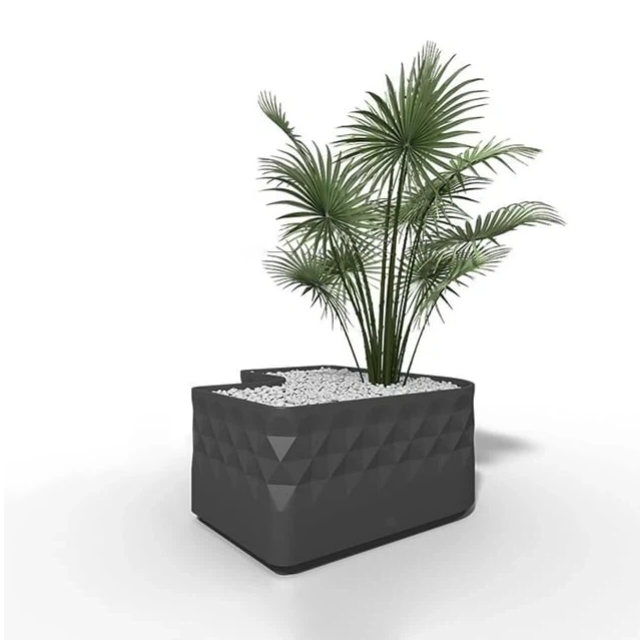
As sustainability becomes an increasingly important consideration in landscaping and construction projects, many buyers are concerned about the environmental impact of the materials they choose. Polyurethane composite flower pots offer a sustainable solution, combining durability with eco-friendly features that reduce the environmental footprint of landscaping projects.
While polyurethane itself is a synthetic polymer, manufacturers are working to improve the eco-friendliness of composite materials. Many polyurethane composite pots are made with recyclable materials or designed to be recyclable at the end of their life cycle. This helps to reduce the amount of waste generated by disposable planters that end up in landfills. Additionally, as the production processes evolve, more biodegradable additives are being incorporated, offering a potential path toward even more sustainable products in the future.
By investing in polyurethane composite flower pots, customers are making a conscious choice to reduce waste in the long term. Unlike traditional materials that may need to be replaced frequently due to cracking or fading, polyurethane composite pots are designed for longevity. This reduces the need for constant replacements, saving resources and reducing the environmental impact of frequent manufacturing and disposal. Their durability ensures that they remain an eco-friendly option for landscaping projects, helping to contribute to sustainable greening initiatives.
To highlight the advantages of polyurethane composite flower pots, let's take a closer look at how they compare to other common planter materials:
Feature | Polyurethane Composite | Terracotta | Ceramic | Plastic |
Weight | ✅ Lightweight | ❌ Heavy | ❌ Heavy | ✅ Light |
Weather Resistance | ✅ Excellent | ⚠ Moderate | ⚠ Moderate | ⚠ Poor |
Corrosion / Fade | ✅ High | ⚠ Prone | ⚠ Prone | ❌ Low |
Eco-friendly | ⚠ Varies | ⚠ Limited | ⚠ Limited | ❌ Poor |
This table illustrates the superior qualities of polyurethane composite flower pots, showing their benefits over traditional planter materials.
At Rovis, we offer a wide variety of polyurethane composite flower pots to suit different landscaping needs. Whether you're looking for modern geometric shapes or more traditional styles, there's a design to complement every space.
Polyurethane Spherical Indoor Flower Pot: A classic round shape that offers the durability and strength of polyurethane composite, ideal for both indoor and outdoor use.
Diamond-Textured Vertical Indoor Planter: Featuring a modern diamond texture, this planter adds a contemporary touch to any setting while providing durability and weather resistance.
Modern White Diamond-Textured Corner Flower Box: Designed for corners, this flower box is perfect for maximizing space in both residential and commercial spaces while offering exceptional durability.
Diamond Geo Vertical Commercial Planter: Ideal for large-scale commercial applications, this model boasts enhanced weather resistance and corrosion resistance, ensuring long-lasting performance.
In conclusion, polyurethane composite flower pots offer unmatched durability, aesthetic appeal, and eco-friendly features that make them a top choice for modern landscaping projects. Whether you're looking to enhance a municipal green space, decorate a commercial complex, or create a beautiful garden at home, these planters provide a sustainable, long-lasting solution. Their lightweight design, superior weather resistance, and corrosion-resistant formula ensure that they stand the test of time. Rovis is proud to offer a variety of high-quality polyurethane composite flower pots that will transform your outdoor space into a stunning showcase of beauty and durability. Contact us today to learn more about our products and how they can enhance your next landscaping project.
1. Are polyurethane composite flower pots biodegradable?
While polyurethane is not naturally biodegradable, many manufacturers are incorporating recyclable materials into the production process to minimize the environmental impact. It is important to check for eco-friendly certifications when purchasing these products.
2. How do I choose the right size for my polyurethane composite flower pot?
Choose a size that allows the plant’s roots to grow freely without being too large. Ensure that the pot’s depth and diameter match the requirements of your plant species for healthy root development.
3. Can polyurethane composite flower pots withstand freezing temperatures?
Yes, polyurethane composite flower pots are designed to withstand freezing temperatures without cracking or breaking, making them suitable for use in both winter and summer.
4. How long do polyurethane composite flower pots last?
Due to their durability and resistance to weather elements, polyurethane composite flower pots can last for many years, maintaining both their structure and aesthetic appeal.


