
English 
T: +86-139-2641-8287
No.51, Chuangye Road, Taiping Town, Conghua District, Guangzhou City, Guangdong Province, China


Views: 0 Author: Site Editor Publish Time: 2026-02-27 Origin: Site


Choosing the right flower box can make a world of difference when it comes to the health and appearance of your plants. Whether you're designing a garden in your backyard, adding color to your balcony, or working on municipal projects like northern municipal road greening or northeast China park winter greening, finding the right flower box is essential. But what exactly makes a good flower box? In this article, we’ll dive into the key elements that make up an ideal flower box, from choosing the right materials to ensuring your plants have adequate space and drainage. We’ll also take a look at the latest trends and applications for flower boxes in urban landscapes and municipal projects.
Selecting the perfect flower box requires a little thought and planning, especially when it comes to fitting your garden into your available space. Here’s a quick guide to help you choose the best flower box for your needs.
When space is at a premium, you’ll need a flower box that is compact yet provides enough room for your plants to grow. Consider using large-capacity boxes that can accommodate multiple plants without taking up too much room. Crack-resistant materials such as plastic planters or self-watering plastic planters are ideal for small spaces because they are lightweight, durable, and easy to move.
If you struggle with consistent watering or are frequently away from home, consider opting for a self-watering planter or one with excellent drainage. These systems help regulate the water flow to your plants, making it easier to keep them hydrated. In cold climates, low-temperature adaptability is essential to ensure that your plants thrive during the colder months, especially if you're working on projects like municipal square landscape winter maintenance.
For those who are looking for flower boxes that will last for many seasons, durable and long-lasting materials are a must. Wooden planters, metal planters, and crack-resistant containers are perfect for long-term use. If you're planning on placing the flower box in a high-traffic area or subject to harsh weather conditions, make sure the material can withstand the elements.
Container gardening, particularly flower boxes, is increasingly popular due to its versatility and ability to fit into small urban spaces. Whether you're working on a northern residential district courtyard greening project or simply looking to add some greenery to your apartment, flower boxes allow you to grow a wide variety of plants without the need for traditional garden space.
In municipal applications, flower boxes also serve as a low-maintenance and aesthetically pleasing solution for improving urban landscapes. From northern scenic area outdoor plant displays to northeast China park winter greening, the rise of container gardening is evident as more cities turn to flower boxes for beautification and environmental sustainability.
When selecting the right flower box for your needs, consider the following factors:
Depth and Size: A flower box must be deep enough to accommodate the root systems of your plants. Shallower boxes are suitable for small annuals or herbs, while deeper boxes are required for perennials, shrubs, or even small trees.
Material: The material of the flower box affects its durability, insulation properties, and aesthetic appeal. It is important to choose the right material based on your location, plant type, and intended use.
Drainage: Good drainage is essential to prevent waterlogging, which can damage plant roots. Make sure your flower box has drainage holes and consider adding a layer of gravel at the bottom for better water movement.
Climate: Consider the climate in which you are gardening. For example, if you are working on a northern municipal road greening project, the flower box must be able to withstand low temperatures and extreme weather conditions.
Maintenance: Choose a flower box that suits your level of commitment to care. Some materials, like wood, may require more maintenance, while others, such as plastic or metal, may require less upkeep.
The depth of your flower box directly impacts the types of plants you can grow. Whether you're planting flowers, vegetables, or herbs, the right depth ensures that your plants have adequate space to grow and thrive.
Shallow Boxes (under 6 inches): Best for small annual flowers, herbs, and succulents. These plants have shallow root systems and don’t require deep soil.
Medium Boxes (6 to 12 inches): Suitable for most flowers, vegetables, and compact plants. These boxes are perfect for growing plants like petunias, marigolds, and smaller varieties of lettuce and spinach.
Deep Boxes (12 inches or more): Essential for larger plants, such as perennials, shrubs, and small trees. The added depth supports the development of deep root systems and encourages healthy growth.
| Plant Type | Recommended Box Depth |
|---|---|
| Annual Flowers | 6–8 inches |
| Herbs (e.g., basil, thyme) | 6–8 inches |
| Vegetables (e.g., lettuce, tomatoes) | 8–12 inches |
| Perennials (e.g., lavender, daisies) | 12–18 inches |
| Shrubs & Small Trees | 18+ inches |
The material of your flower box plays a major role in its functionality, longevity, and aesthetic appeal. Let’s look at the various options:
Wooden flower boxes are a popular choice for their rustic charm. They provide natural insulation for plant roots, which is beneficial for northern municipal road greening projects or other cold-weather areas. However, wood requires maintenance, such as sealing or treating, to prevent rot, especially if exposed to the elements.
Metal planters, often made of steel or aluminum, are durable and crack-resistant. They can handle extreme weather conditions, making them perfect for both urban landscapes and municipal settings. Metal planters also retain heat, which can be beneficial for plants in colder climates.
Fabric planters are a newer innovation that has gained popularity due to their flexibility and breathability. These planters are made from lightweight, durable fabric that allows for proper air circulation around the plant’s roots. Fabric flower boxes are ideal for growing a wide variety of plants in confined spaces, making them a great choice for urban environments or northeast China park winter greening projects.
Plastic planters are a budget-friendly, low-maintenance option. These containers are typically crack-resistant and come in a variety of colors and styles. They are especially useful for areas with fluctuating weather, as they are lightweight and easy to move.
For those concerned with watering consistency, self-watering plastic planters are a game-changer. These planters have a built-in reservoir that allows plants to absorb water as needed, reducing the risk of overwatering or underwatering. This feature is especially beneficial in areas where the climate is dry or where consistent care is challenging.
Proper drainage is crucial for the health of your plants. Without it, water can accumulate in the flower box, leading to root rot and other issues. Look for planters that have drainage holes at the bottom and avoid containers without drainage, as they can trap excess moisture.
In addition to drainage holes, you can add a layer of gravel at the bottom of the planter to help facilitate water flow. For northern residential district courtyard greening projects, low-temperature adaptability materials can help prevent water from freezing in the winter, ensuring that your plants remain healthy throughout the year.
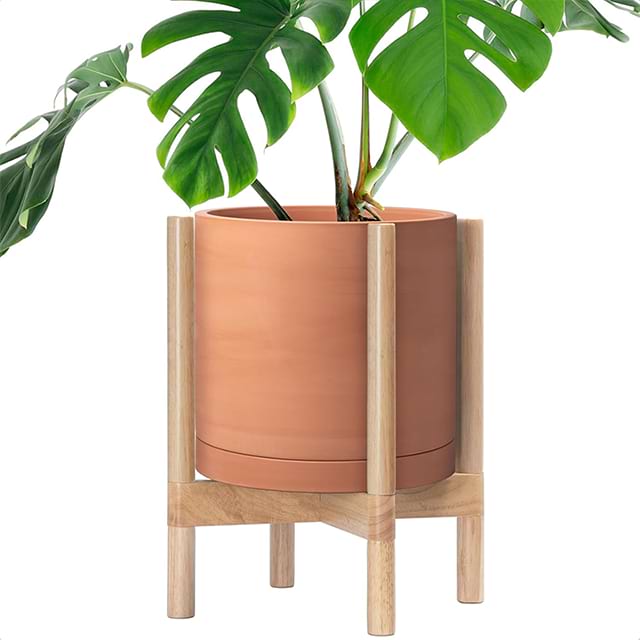
When choosing a flower box, consider how long you plan to use it. If you're looking for something that will last through multiple seasons, opt for durable materials such as metal, plastic, or wood. To extend the life of your flower box, perform regular maintenance like sealing wooden boxes and checking drainage systems.
Protect against weather: If your container is made of wood, seal it regularly to prevent water damage and decay.
Use liners: For large-capacity planters, consider using liners to prevent soil from escaping and to protect the container from the elements.
Inspect regularly: Check for cracks or damage, especially in plastic or ceramic planters.
A raised flower box not only improves the appearance of your garden but also makes it easier to tend to your plants without bending over. Raised boxes are also ideal for northern scenic area outdoor plant displays because they offer better protection from cold winds and prevent water from freezing in the soil.
For cold climates, wooden or metal planters are ideal because they provide insulation and low-temperature adaptability. Plastic and fabric planters can also work well but may require extra insulation during the winter.
Make sure your flower box has drainage holes, and consider adding a layer of gravel at the bottom of the container. For regions with heavy rainfall, crack-resistant materials are important to prevent waterlogging.
Yes, flower boxes are perfect for municipal procurement models and urban greening initiatives, especially in areas like northern residential district courtyard greening or municipal square landscapes.
Choosing the right flower box is essential for creating a thriving garden, whether for your personal space or for large-scale urban greening projects. By considering factors such as depth, material, drainage, and climate, you can select a flower box that ensures healthy plants and lasting beauty.


